
Metadata as a Data Model, Part II
Semantic Theater and Governance

The Governance-Semantics Disconnect: A Systemic Problem
Perhaps the most fundamental flaw in enterprise metadata management approaches are the organizational divides between governance and semantic design. In most enterprise architectures, data governance teams focus on compliance, quality metrics, and business process alignment, while semantic concerns are relegated to technical teams implementing search interfaces or analytics tools. This separation creates what information scientist Marcia Bates calls "semantic fragmentation"—where the rules governing data have no meaningful connection to the conceptual models that should give that data meaning.
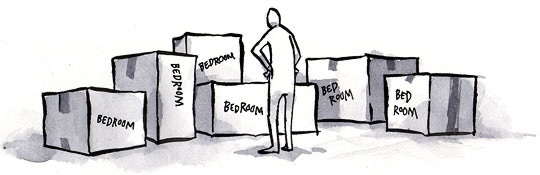
The Separation of Concerns is Not Helping
Library science demonstrates why this separation is systemically harmful. In library metadata systems, governance and semantics are inseparable: cataloging rules like RDA don't just specify data quality requirements, they embed rich semantic relationships directly into the descriptive process. When a librarian applies RDA rules to describe a resource, they're simultaneously enforcing data quality standards and building a conceptual model that connects that resource to broader networks of meaning. As library metadata expert Barbara Tillett explains, "Every cataloging decision is a semantic decision—there is no such thing as 'neutral' metadata governance".
This integration is why library systems achieve genuine interoperability across institutions. When two libraries both follow Dublin Core or RDA, they're not just ensuring consistent data entry—they're building compatible conceptual models that enable the meaningful exchange of data. Enterprise systems that separate governance from semantics produce what appears to be clean, well-governed data that nonetheless remains semantically opaque and impossible to integrate meaningfully across system boundaries.
Data Models as Semantic Infrastructure
The absence of true data modeling in enterprise metadata systems reveals itself most clearly in failed integration projects. Organizations spend millions on data integration platforms, master data management suites, and semantic layers, yet struggle to achieve basic interoperability between business units or external partners. The problem is not technical—it's conceptual. Integration becomes an endless exercise in mapping between incompatible worldviews when organizations lack shared data models that define both entities and their semantic relationships.
And let me reiterate, this does not mean one data model to rule them all.
Keep reading with a 7-day free trial
Subscribe to Intentional Arrangement to keep reading this post and get 7 days of free access to the full post archives.